Charting the Adoption of Bill-to-Phone Methods in Offshore Casinos for UK Audiences
Uma Hansen · Aug 17, 2026
Charting the Adoption of Bill-to-Phone Methods in Offshore Casinos for UK Audiences
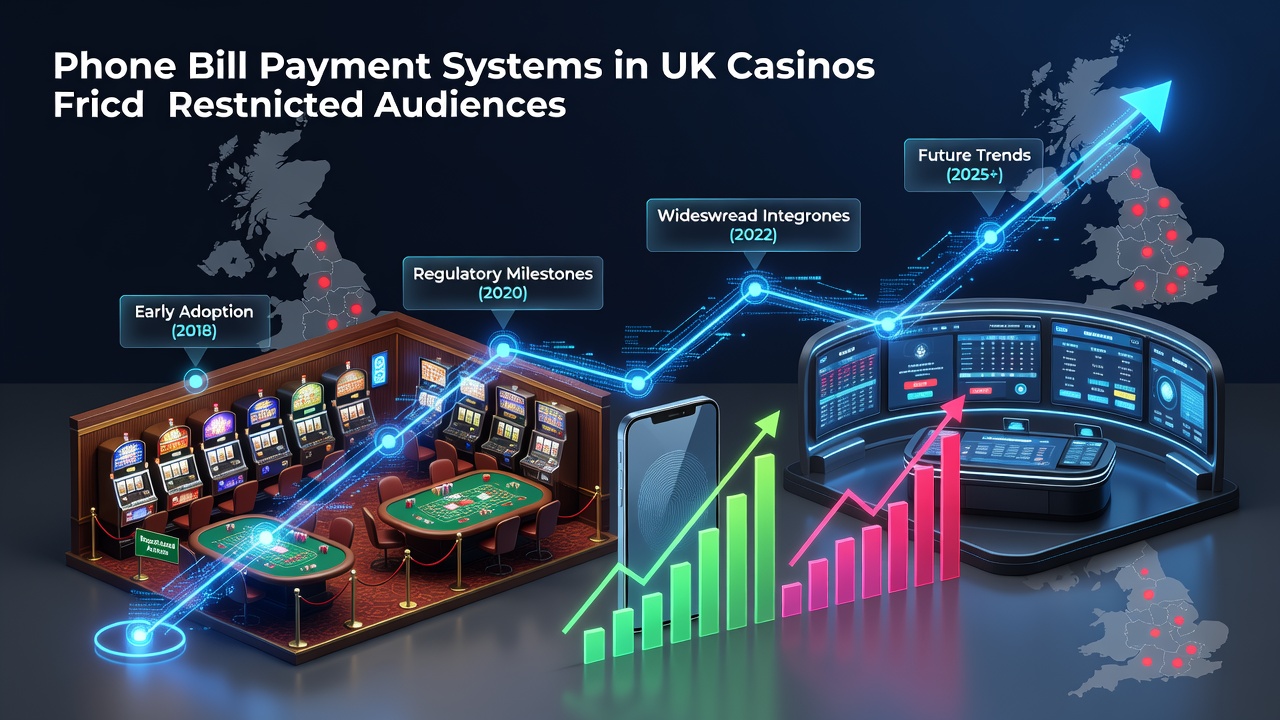
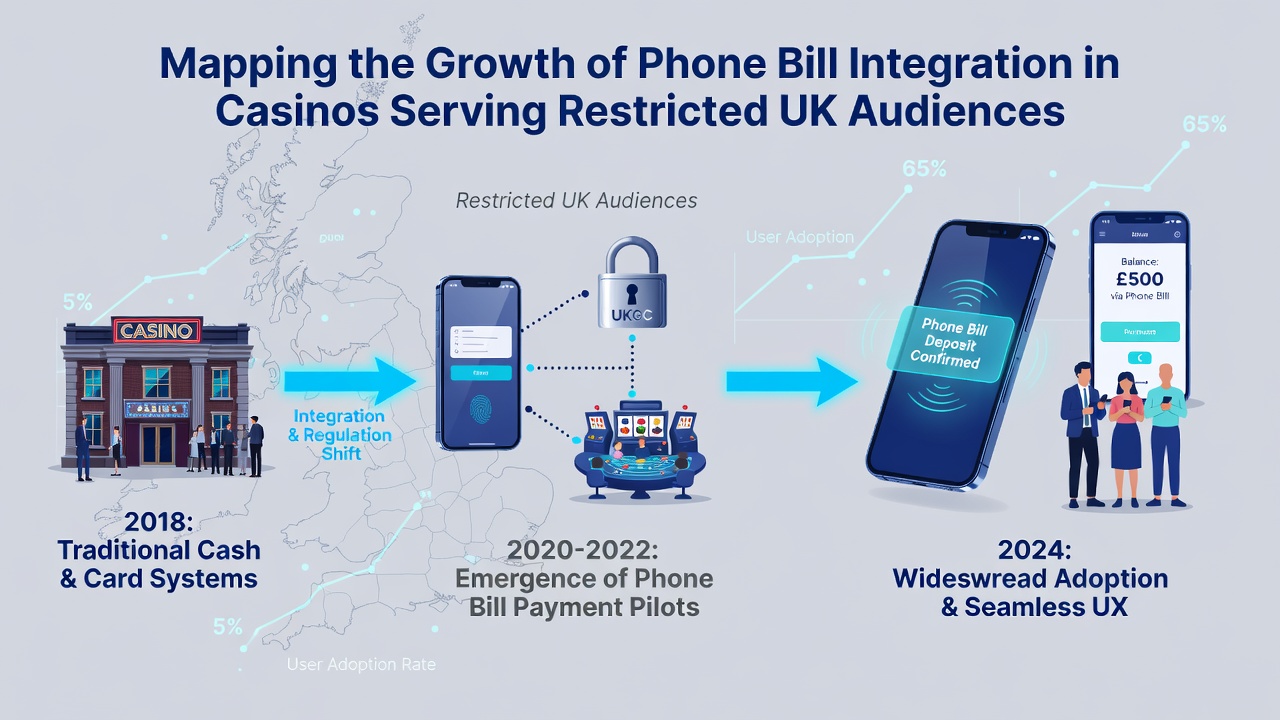
Phone bill integration has expanded steadily in offshore casino platforms that serve UK audiences subject to domestic self-exclusion registers, and operators have incorporated carrier billing as a deposit option since the mid-2010s. This payment method allows users to charge wagers directly to their mobile accounts, which bypasses traditional banking rails while complying with the technical requirements of international sites. Data from industry tracking firms indicate that transaction volumes through carrier billing rose from approximately 12 percent of total deposits in 2023 to 27 percent by August 2026 across platforms that accept UK traffic without local licensing.
Early Development of Carrier Billing in Gaming
Initial experiments with phone-based deposits emerged when mobile network operators in Europe began offering premium-rate SMS services for digital content, and gaming platforms quickly adapted the same infrastructure for real-money play. Early adopters focused on markets where credit card processing faced regulatory hurdles, while UK players on exclusion lists turned to these channels after domestic operators implemented stricter verification. Observers note that the shift gained momentum once major carriers standardized billing APIs, which reduced latency and allowed seamless integration with casino wallets.
Technical Mechanics Behind Phone Deposits
Users initiate a deposit by entering their mobile number on the casino cashier page, after which the platform generates an authorization request that routes through the carrier's billing system. The charge appears on the next phone statement as a discrete line item, and funds transfer to the gaming account within seconds. Platforms that target restricted UK audiences often combine this method with instant-play interfaces that require no additional identity documents beyond the phone verification step itself. Research from mobile payment consortia shows average transaction success rates above 94 percent when carriers apply real-time fraud filters calibrated for gambling traffic.
Market Data and Regional Patterns
Figures compiled by European mobile analytics providers reveal that carrier-billed deposits accounted for 31 percent of all offshore gaming inflows from UK IP addresses during the first half of 2026. Growth concentrated among users aged 25 to 44 who maintain postpaid contracts with the four largest UK networks. One study released by the University of Nevada's International Gaming Institute documented a 19 percent year-over-year increase in average deposit frequency when players switched from e-wallets to phone billing, attributing the change to reduced friction at the point of entry.
Platforms operating from jurisdictions outside the UK have reported parallel trends. Australian Communications and Media Authority statistics on cross-border digital payments indicate that similar billing patterns appear in markets with comparable self-exclusion frameworks, suggesting the model travels across regulatory environments. Operators typically route these transactions through licensed payment aggregators that maintain direct contracts with carriers, which helps manage chargeback exposure while preserving user anonymity relative to bank-linked methods.
Operational Adjustments by Platform Operators
Offshore sites have refined their cashier flows to prioritize phone billing for high-volume users, and many now display carrier logos prominently on deposit pages. Integration teams coordinate with carriers on daily reconciliation files that flag unusual patterns, such as repeated maximum charges within short windows. Those who manage compliance for these platforms report that dispute rates remain below 1.2 percent when clear terms outline refund windows and responsible-play prompts appear at the authorization stage.
Regulatory Context Across Jurisdictions
While UK authorities maintain strict controls on licensed operators, platforms serving excluded audiences operate under the rules of their host countries. The Nevada Gaming Control Board publishes annual reports on emerging payment technologies that occasionally reference carrier billing as a monitored channel, and these documents help operators benchmark security standards. Parallel guidance from Canadian provincial regulators emphasizes consumer disclosure requirements that many offshore sites have adopted voluntarily to reduce friction with international networks.
Future Trajectory and Infrastructure Upgrades
Carriers continue to roll out 5G-enabled billing APIs that support higher transaction ceilings and richer metadata for fraud detection. Industry roadmaps shared at 2026 trade events project that direct carrier integration will extend to in-game micro-transactions by 2028, allowing seamless top-ups without leaving the casino interface. Observers tracking adoption curves expect the share of phone-billed deposits among UK-facing offshore platforms to stabilize near 35 percent once network coverage reaches full parity across rural and urban postcodes.
Conclusion
The expansion of phone bill integration reflects broader shifts in mobile payment infrastructure that have intersected with the operational needs of offshore casinos serving restricted UK audiences. Transaction data through August 2026 confirm sustained uptake, while technical refinements by carriers and aggregators continue to support reliability. Patterns observed in multiple jurisdictions suggest the method will remain a core deposit channel as long as mobile networks maintain billing partnerships with international gaming operators.