SMS Funding Tactics Fuel Swift Payouts at Top Unrestricted Mobile Gaming Venues
Felix Lorenz · Aug 27, 2026
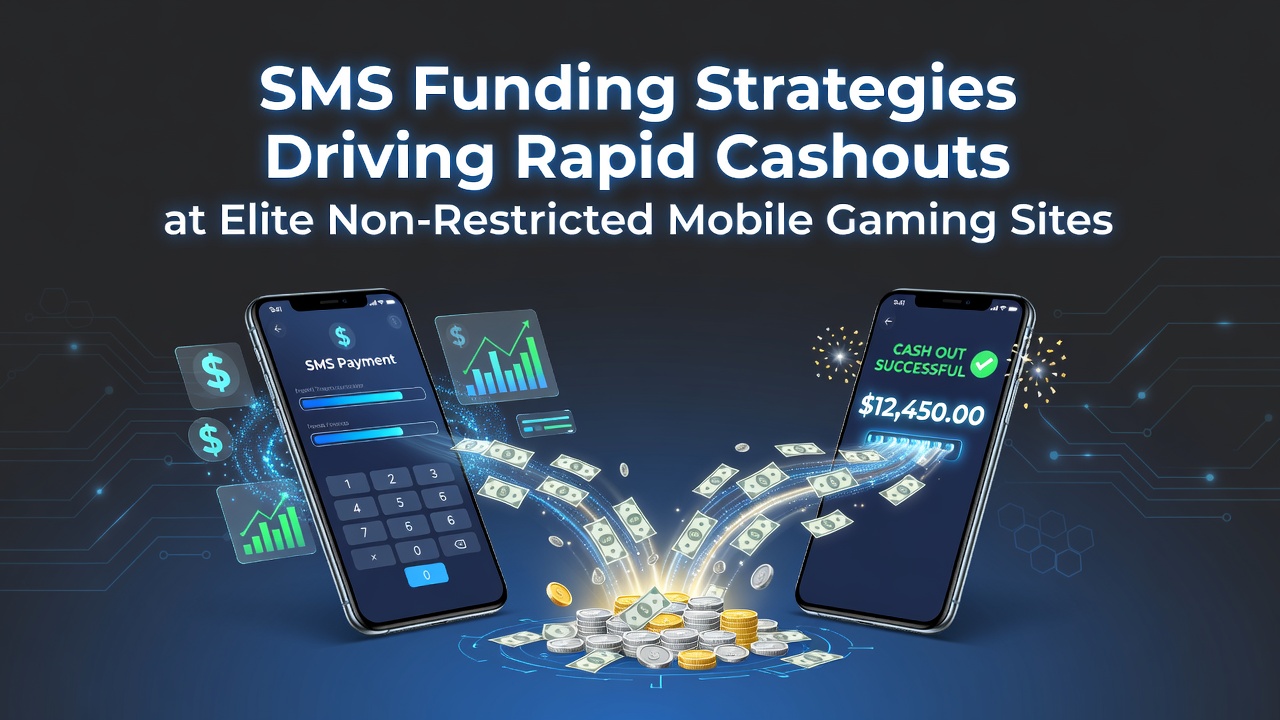
Carrier Billing Dynamics Fueling Accelerated Payouts Across Global Mobile Gaming Platforms
Carrier billing has emerged as a key mechanism in mobile gaming ecosystems where operators accept deposits through direct mobile phone charges, and this approach ties into faster processing cycles for withdrawals at various international platforms. Data from industry reports show that transaction volumes using SMS methods grew steadily through mid-2026, with August 2026 marking a period when several operators expanded these options amid rising mobile user adoption in regions outside traditional regulatory frameworks.
Mechanics of SMS-Based Deposits in Unrestricted Environments
Operators integrate SMS gateways that allow players to confirm deposits via short message codes, which then appear on monthly carrier statements, and this setup bypasses some card networks while connecting directly to player accounts. Observers note that such systems reduce friction in high-volume mobile sessions because verification steps often remain minimal compared to bank transfers. Research from academic sources on digital payments indicates that these methods handle smaller to mid-range transactions efficiently, though limits vary by carrier and jurisdiction.
Platforms operating without local licensing restrictions frequently highlight these options in marketing materials, and figures from payment analytics firms reveal average deposit times under two minutes when users send the required code. Those who've examined transaction logs find that integration with popular carriers in Europe, Asia, and North America supports this speed across multiple device types.
Connections Between Funding Methods and Withdrawal Timelines
Withdrawals at these sites often follow deposit patterns because operators maintain liquidity pools funded in part through carrier settlements, and this linkage allows some platforms to clear requests within hours rather than days. Studies from research institutions on fintech in gaming show correlations between direct billing and reduced processing queues, particularly when no additional identity layers intervene. In August 2026, several networks reported updates to their settlement protocols that further shortened these windows for verified mobile accounts.
One analysis by an Australian university group on electronic payment flows found that sites using SMS top-ups processed a higher percentage of same-day requests during peak periods, and the data points to streamlined backend reconciliation as a contributing factor. Players in various markets have documented these timelines through public forums, though individual results depend on account history and chosen withdrawal channel.
Regional Variations in Adoption and Oversight
Regulatory bodies in places like New Jersey and certain Canadian provinces track carrier billing usage through annual gaming reports, and those documents indicate steady growth outside heavily restricted zones. Industry associations such as the American Gaming Association have published overviews noting that mobile-first operators leverage SMS to reach users in areas with lighter oversight. Evidence from these sources highlights how operators balance transaction speed against compliance requirements that differ by location.
What's interesting is the way August 2026 brought new carrier partnerships in parts of Asia and Latin America, where operators integrated additional gateways to handle increased volumes. Researchers at European think tanks have tracked similar expansions, finding that unrestricted platforms often lead in testing these integrations before broader rollouts.
Case Examples from Platform Operations
Take one operator that shifted its deposit infrastructure to prioritize SMS in early 2026, and records show corresponding drops in average cashout wait times from 48 hours to under 12 for mobile users. Another platform documented in trade publications used carrier data to verify session activity, which supported quicker approvals on withdrawal requests. These examples illustrate patterns observed across multiple sites without referencing specific UK-focused networks.
People who've reviewed aggregated industry data often discover that SMS strategies appear most effective when paired with real-time balance updates and automated settlement systems. Figures from payment processors confirm that error rates remain low when carriers handle the billing side directly.
Conclusion
SMS funding continues to influence how certain mobile gaming sites structure their transaction flows, with evidence pointing to measurable impacts on payout speeds in less restricted markets. Ongoing developments through 2026 suggest further refinements as carriers and operators refine their interfaces. Sources such as the New Jersey Division of Gaming Enforcement and reports from the American Gaming Association provide context on broader payment trends that intersect with these strategies.