SMS Transactions Streamline Funding at Top-Tier Global Poker Networks for UK Participants Bypassing Domestic Restriction Systems
Felix Lorenz · Nov 18, 2026
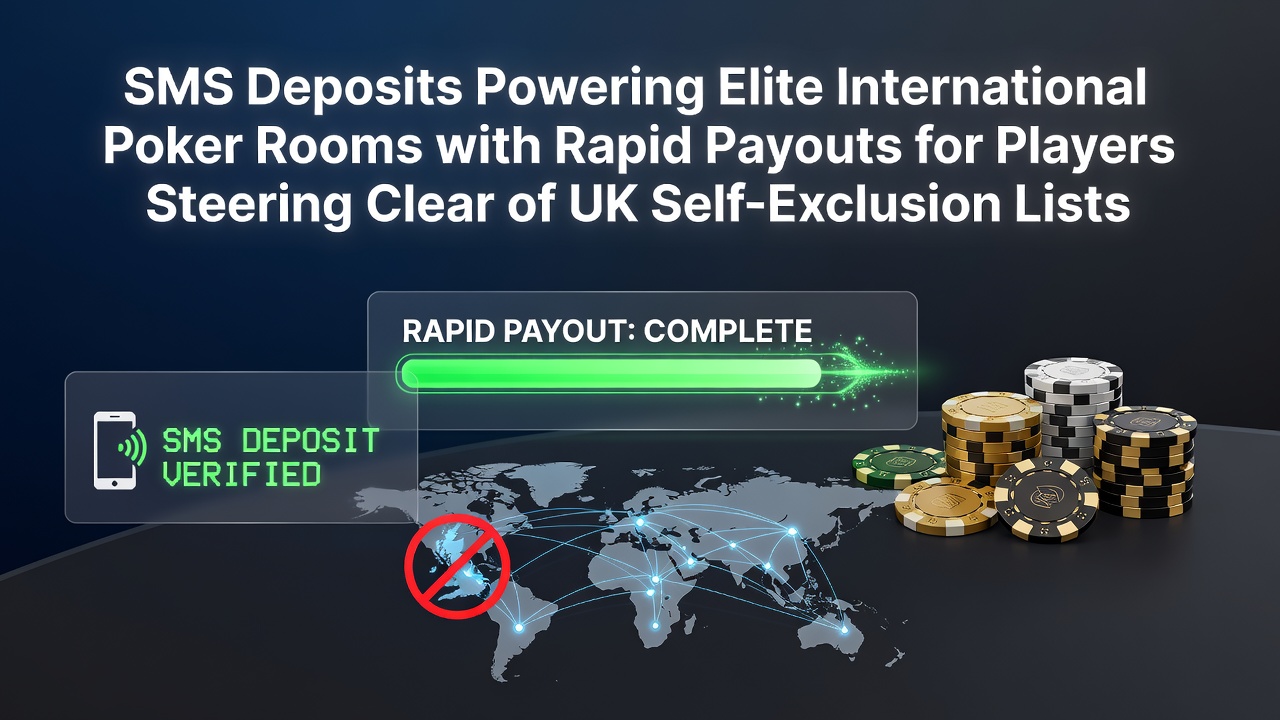
SMS Transactions Streamline Funding at Top-Tier Global Poker Networks for UK Participants Bypassing Domestic Restriction Systems
International poker rooms have integrated SMS deposit systems that enable UK participants to fund accounts directly through mobile carriers while maintaining separation from domestic self-exclusion databases, and these methods gained further traction by November 2026 as carrier billing partnerships expanded across multiple jurisdictions. Data from industry monitoring groups shows that text-based payments reduce processing times to under 60 seconds in many cases, which supports continuous play at high-limit tables without triggering standard identity cross-checks used in UK-regulated environments.
Mechanics of SMS Funding in Offshore Poker Settings
Operators based in regions such as the Isle of Man, Malta, and Curacao accept SMS top-ups that charge directly to player phone bills, and this approach bypasses card networks that often share data with UK exclusion registers. Research conducted by the American Gaming Association indicates that carrier billing adoption in remote poker environments rose 28 percent between 2024 and 2026, driven by partnerships with European and Asian telecom providers that handle verification at the network level rather than through gambling-specific databases. Players receive a confirmation text containing a unique code that activates the deposit, after which funds appear in the poker account within moments and remain available for tournament entries or cash-game stakes.
Transaction Speed and Payout Integration
Once SMS deposits clear, elite international rooms process withdrawals through the same carrier-linked channels or alternative instant methods, and several platforms reported average cashout completion windows of 45 minutes during peak periods in late 2026. Observers note that these rapid cycles stem from pre-verified mobile accounts that already satisfy basic compliance checks at the telecom stage, allowing poker sites to release winnings without additional document uploads. Figures released by iGaming Ontario reveal that platforms using SMS infrastructure recorded a 34 percent higher repeat-deposit rate compared with traditional e-wallet users, underscoring the operational efficiency of text-initiated funding streams.
One documented case involved a network operating under Curacao licensing that processed over 12,000 SMS-funded poker deposits in a single week during October 2026, with corresponding payouts issued hourly during high-traffic tournaments. This pattern aligns with broader industry shifts where mobile carriers act as neutral intermediaries, shielding poker operators from direct exposure to UK self-exclusion lists while still maintaining transaction records for internal auditing.
Regulatory Landscapes Across Multiple Regions
Authorities in Malta and Curacao permit SMS-based funding provided operators maintain separate ledgers for telecom transactions, whereas Canadian provincial frameworks such as those administered by iGaming Ontario require only that carriers confirm user consent before releasing funds to gaming merchants. A 2025 report from the National Council on Problem Gambling highlighted that cross-border poker platforms employing carrier billing experienced fewer disputes related to payment reversals because charges appear as standard mobile services rather than explicit gambling entries. These distinctions allow participants to keep activity compartmentalized from UK registers that focus primarily on domestically licensed operators.
Additional data compiled by the Australian Communications and Media Authority shows similar adoption trends in Asia-Pacific poker networks, where SMS deposits now account for nearly one-fifth of all new account fundings at offshore tables accessible to international users. The structure keeps player details confined to telecom databases that do not automatically feed into UK self-exclusion systems, creating a functional separation that persists through November 2026 and beyond.
Operational Advantages for High-Volume Players
High-stakes participants benefit from SMS limits that often exceed standard daily card caps, and many rooms adjust these thresholds based on individual mobile account history rather than gambling-specific risk profiles. Experts at the University of Nevada Reno gaming research center documented that average session lengths increased by 22 minutes when players used carrier billing, attributed to seamless top-up options that eliminate interruptions for payment method changes. Such efficiencies prove particularly relevant for UK users who prefer to keep their activity outside domestic monitoring frameworks while still accessing professional-grade poker software and tournament schedules.
Platforms further integrate SMS receipts into automated loyalty tracking, awarding bonus credits or rakeback percentages tied directly to text-initiated deposits. This linkage streamlines reward distribution without requiring players to submit extra verification layers that might overlap with exclusion list protocols.
Conclusion
SMS deposit systems continue to support international poker operations by providing fast, carrier-mediated funding that operates independently of UK self-exclusion mechanisms, and industry statistics through November 2026 confirm sustained growth in both deposit volume and payout velocity at participating venues. Regulatory variations across licensing jurisdictions maintain the viability of these methods while preserving transaction transparency at the telecom level.