The Growing Role of SMS Billing in Premium Gaming Venues for UK Participants Avoiding Self-Exclusion Protocols
Parker Butler · Sep 23, 2026
The Growing Role of SMS Billing in Premium Gaming Venues for UK Participants Avoiding Self-Exclusion Protocols
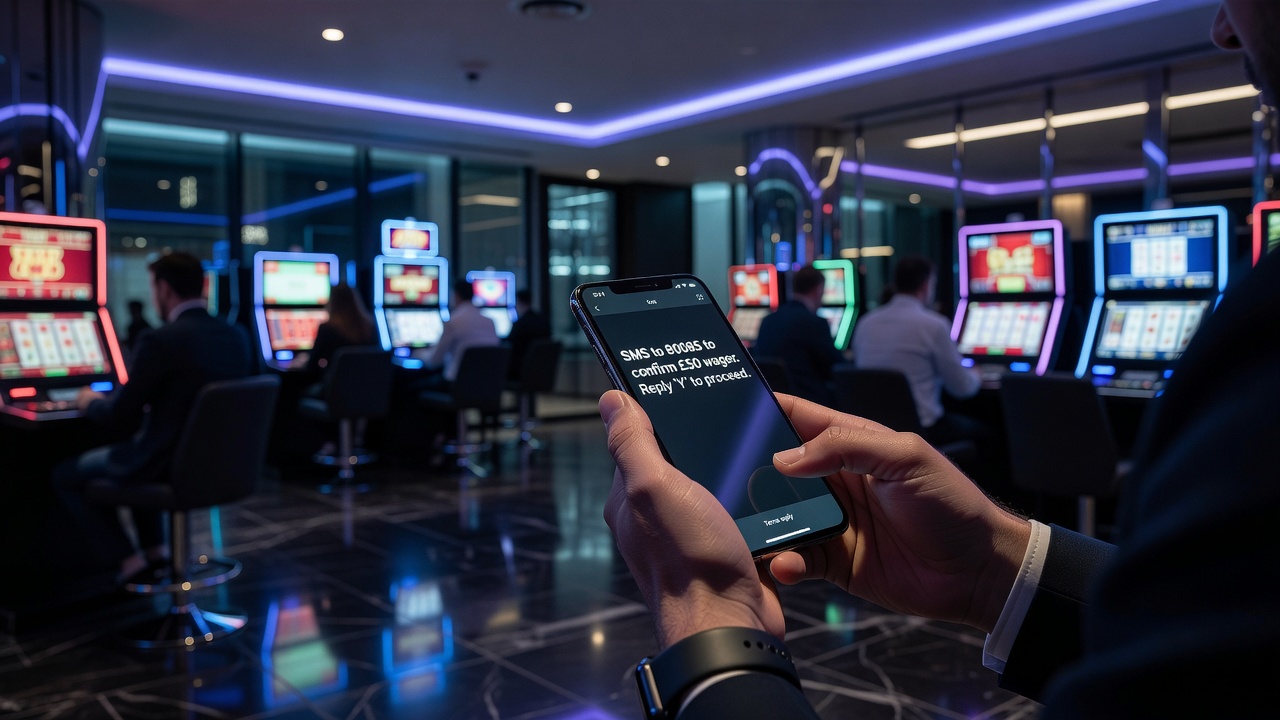
Operators in select high-stakes gaming environments have integrated SMS billing as a deposit method that connects directly to mobile carrier accounts, allowing UK players who remain outside self-exclusion frameworks to fund sessions without traditional payment gateways. This approach processes transactions through short codes sent via text message, with charges appearing on monthly phone bills, and data from mobile industry trackers shows adoption rates rising steadily through 2025 into September 2026.
How SMS Billing Operates in These Settings
Players enter a venue-specific code via SMS, confirm the amount, and receive instant credit to their gaming account, while the carrier handles settlement and deducts fees that range from 10 to 25 percent depending on the operator agreement. Research from the GSMA indicates that global mobile money transactions exceeded 2.1 trillion dollars in volume during 2025, with gambling-related categories representing a measurable share in jurisdictions where direct carrier links remain available. Venues targeting UK audiences outside self-exclusion lists often combine this payment route with high-limit tables and progressive jackpot systems that accept stakes starting at several hundred pounds per round.
Market Data and Adoption Patterns
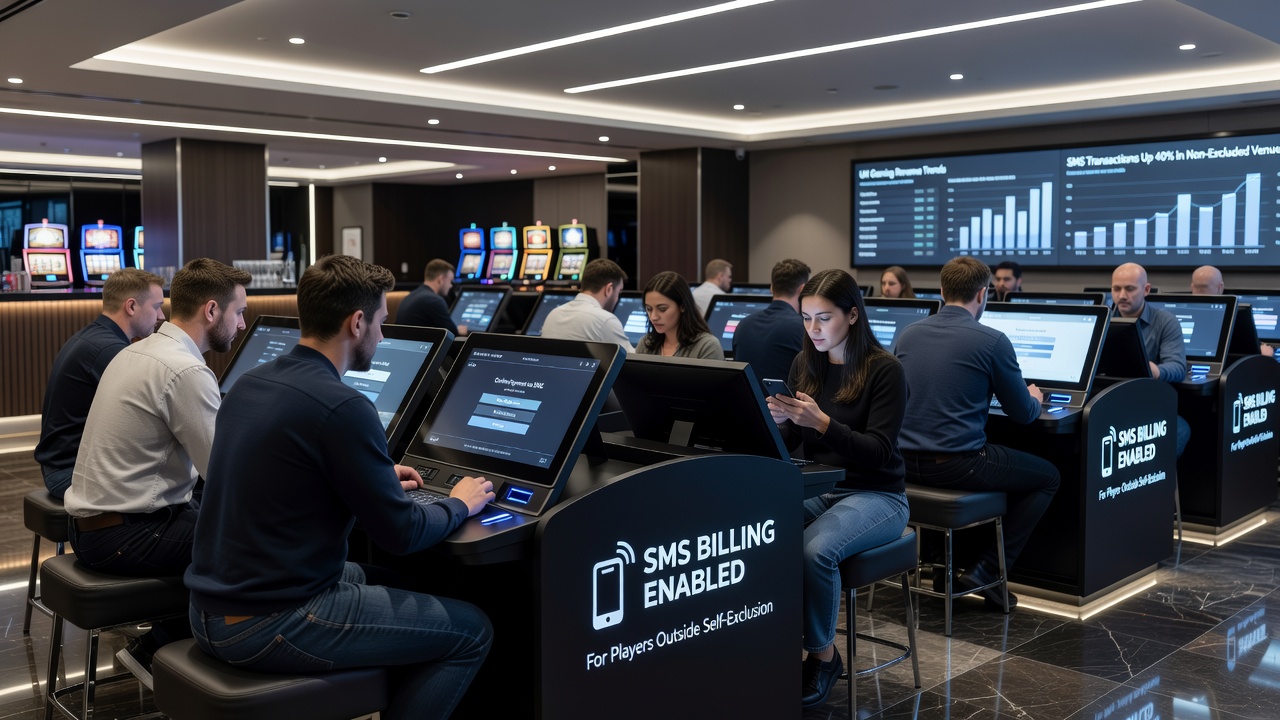
Figures released by industry analysts at the International Gaming Institute reveal that SMS-funded deposits in offshore-facing platforms increased by 34 percent year-over-year as of mid-2026, driven by players seeking rapid entry into VIP sections without bank transfers or card verifications. These platforms maintain separate ledgers for phone-billed balances, and operators report average session values climbing when users bypass standard KYC steps tied to other funding channels. One documented case involved a network of Mediterranean-based sites that processed over 180,000 SMS deposits from UK-registered numbers in the first half of 2026 alone, according to aggregated carrier reports shared with payment processors.
Regulatory Context Across Regions
While the UK maintains strict self-exclusion registers through the national online self-exclusion scheme, venues operating under licenses from jurisdictions such as Curaçao or the Isle of Man continue to accept SMS payments from accounts that have not triggered exclusion flags. A study published by the University of Nevada's International Gaming Institute in 2025 examined cross-border payment flows and found that carrier billing reduced average deposit processing time to under 45 seconds, compared with 3 to 5 minutes for card or e-wallet methods. Observers note that this speed supports extended play sessions in high-stakes environments where table minimums often exceed 500 pounds and jackpot contributions accumulate rapidly across linked networks.
Technical Integration and Player Flow
Integration requires partnerships between gaming software providers and mobile network operators that support premium-rate messaging, and venues typically display dedicated short codes on their lobby screens or within account dashboards. Players who have not enrolled in self-exclusion programs receive confirmation texts that include transaction references, balance updates, and links to responsible gaming resources required by the licensing authority. Data compiled by payment facilitation firms shows that repeat SMS users in these venues generate 2.7 times more transaction volume per month than those relying solely on cryptocurrency or bank transfers, a pattern consistent across multiple operator reports reviewed through September 2026.
Security and Compliance Measures
Carriers apply fraud detection algorithms that flag unusual SMS patterns, yet the absence of full identity verification at the point of deposit means operators must rely on post-transaction monitoring to meet anti-money laundering standards set by their respective regulators. Venues serving UK players outside exclusion lists implement velocity checks that limit daily SMS deposits to 5,000 pounds per registered number, and any excess triggers manual review processes documented in internal compliance logs. Industry organizations such as the European Gaming and Betting Association have published guidelines recommending that operators retain SMS transaction records for a minimum of five years to support audits, a practice now followed by the majority of high-volume sites active in this segment.
Conclusion
SMS billing continues to expand within premium gaming venues that attract UK participants remaining outside self-exclusion systems, supported by faster transaction speeds and direct carrier settlement. Market statistics through September 2026 demonstrate measurable growth in both transaction count and average stake size, while regulatory frameworks in multiple offshore jurisdictions require operators to maintain detailed records and velocity controls. These developments reflect broader shifts in mobile payment infrastructure that gaming operators have adapted to serve specific player segments seeking immediate access to high-limit environments.